Receipt Requirements for Business Expenses
Essential guide to expense receipt requirements and tax receipt requirements. Learn IRS receipt rules for business deduction receipts and expense documentation.
💡Key Takeaways
- Keep receipts for all business expenses, especially those over $75, travel, entertainment, vehicle, and meal expenses
- Credit card statements alone are not sufficient - you need itemized receipts showing what was purchased
- Keep business expense receipts for at least 3 years, but 7 years is safer for audit protection
- Add business context to receipts: note the business purpose, who attended (for meals), and business relationships
- For lost receipts under $75 (except lodging), detailed written records can substitute with supporting documentation
Proper documentation is the foundation of legitimate business expense claims. Understanding expense receipt requirements and tax receipt requirements is crucial for business owners, freelancers, and employees. This comprehensive guide covers IRS receipt rules for business deduction receipts and proper expense documentation to ensure your claims are valid and audit-proof. Whether you're filing taxes, seeking reimbursement, or preparing for an audit, these requirements can save you money and headaches. For a foundational understanding, see our guide on what is a receipt.
Different expense types need different receipt formats. Business travelers should use a hotel receipt generator for lodging, while client dining expenses pair well with a restaurant receipt generator. Rent and lease payments for business premises benefit from rent receipt templates, and detailed vendor invoices are best handled with an itemized receipt template. For any general expense, our receipt generator covers all other cases.
✓ Free forever — no signup required
✓ Captures every IRS-required field
✓ Private by design — built in your browser
Disclaimer: This article provides general information about business expense receipt requirements and tax documentation. It is not intended as tax, legal, or financial advice. Tax laws and IRS regulations change frequently. Please consult with a qualified tax professional or certified public accountant for advice specific to your business situation.
🎯 Need IRS-Compliant Business Receipts?
Generate audit-proof receipts with all required information in 30 seconds
Why Receipt Documentation Matters
Good receipt practices serve multiple purposes for your business. Receipts substantiate business expense deductions for tax purposes and provide audit protection against IRS or tax authority challenges.
Proper records enable employers to process reimbursements and support accurate bookkeeping for financial management. Documentation also provides legal protection by proving legitimate business spending patterns.
General Receipt Requirements
To be valid for business purposes, a receipt must contain specific essential information. Understanding these requirements helps ensure your expense documentation meets IRS standards.
Essential Information
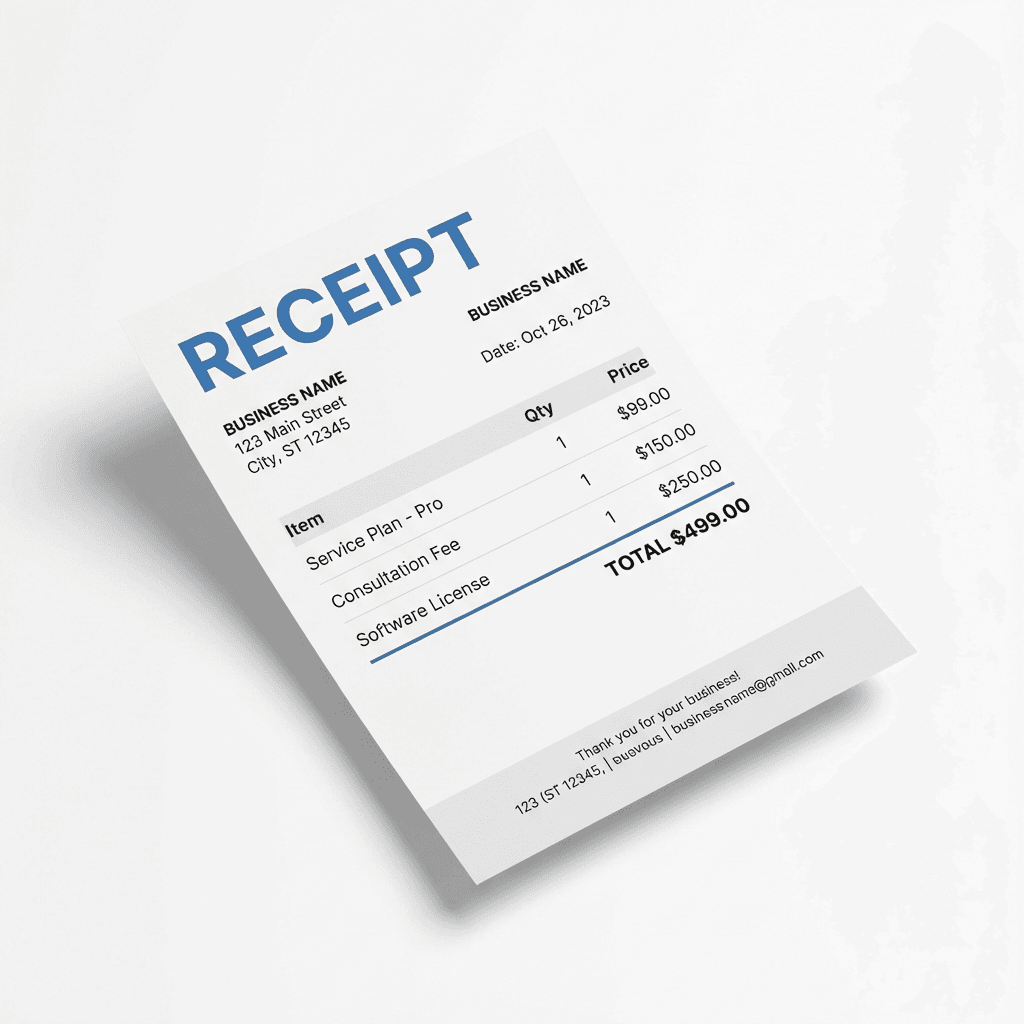
Every business receipt should include the date of transaction, vendor or seller name and address, and a clear description of items or services purchased. The amount paid must be shown with tax listed separately, and the payment method should be indicated.
What YOU Must Add
Standard receipts don't include business context, so you must add this information yourself. Note the business purpose of the expense and who was present for meals or entertainment events. Document the business relationship of attendees, topics discussed during business meals, and which project or client the expense relates to.
Requirements by Expense Category
Meals and Entertainment
Meal expenses face the strictest documentation requirements from the IRS. You need an itemized receipt, not just a credit card slip showing the total. Document the date and place of the meal, the business purpose, and names and business relationships of all attendees. You should also note the topics discussed during the meal.
Note: Entertainment expenses (sporting events, concerts) are no longer deductible for most businesses after the 2017 Tax Cuts and Jobs Act. Meals during entertainment events may still be partially deductible if itemized separately.
Travel Expenses
Business travel requires comprehensive documentation for all expenses. Keep receipts for transportation including airfare, train tickets, rental cars, and rideshares. Lodging receipts are always required regardless of the amount. Meals during travel follow the meal documentation rules above, and you should keep receipts for incidentals like tips, parking, and tolls.
Additional travel documentation includes the business purpose of the trip, destination and dates, and a daily itinerary for trips that mix business and personal activities.
Vehicle Expenses
Vehicle expenses require detailed documentation whether you use the standard mileage rate or actual expenses method. See our detailed guide on gas receipts for taxes for comprehensive information. You need a mileage log with dates, destinations, purposes, and miles driven. If using actual expenses, keep all receipts for gas, maintenance, and repairs using our gas receipt generator for documentation.
Track your total miles driven during the year and calculate your business use percentage. This documentation is critical for substantiating vehicle expense deductions.
Office Supplies and Equipment
Office supplies and equipment expenses are generally straightforward to document. Keep itemized receipts showing what was purchased, the cost of each item, and the date and vendor information. This documentation supports your business expense deductions.
Professional Services
For services like accounting, legal, and consulting, keep detailed invoices describing the services provided. Maintain proof of payment through receipts or bank records. For significant expenses, also keep the contract or engagement letter. Use our service receipt template to document professional services properly.
💡 Create Compliant Receipts Automatically
Generate receipts with all IRS-required fields included automatically—date, vendor, itemized details, and business purpose fields
Generate Receipt Now →The $75 Rule
The IRS has established specific rules for when receipts are required based on the expense amount. Understanding these thresholds helps you maintain proper documentation without unnecessary paperwork.
Expenses Under $75
For expenses under $75, receipts are not strictly required except for lodging. However, you still need a written record with the date, amount, place, and business purpose. Bank or credit card statements can help substantiate these smaller expenses.
Expenses $75 and Over
All expenses of $75 or more require an original receipt. The receipt must be itemized showing specific items purchased, not just the total amount. Digital copies are acceptable as long as they're clear and legible.
Always Required Regardless of Amount
Certain expense categories require receipts no matter the amount. Lodging and hotel expenses always need receipts. Travel expenses and meal expenses also require receipts regardless of the dollar amount.
Digital vs. Paper Receipts
Digital Receipts Are Valid
The IRS and most tax authorities accept digital copies of receipts with certain conditions. The image must be clear and legible with all required information visible. Use standard formats like PDF, JPG, or PNG, and store them securely where they're easily accessible.
Why Digital Is Better
Digital receipt storage offers significant advantages over paper. Thermal paper receipts fade over time, often becoming unreadable within months. Digital receipts are easier to organize and search, offer simple backup and recovery, and are available anywhere. They also can't be physically lost or damaged.
Best Practices for Digital Storage
Follow these steps for effective digital receipt management:
- Scan or photograph receipts immediately after receiving them
- Use consistent file naming like date_vendor_amount.pdf for easy retrieval
- Organize files by month, year, or category depending on your needs
- Use cloud storage with automatic backup to prevent data loss
- Consider dedicated receipt management apps for better organization
What If You Lose a Receipt?
Don't panic if you lose a receipt—there are several options for documenting expenses without the original. The key is to gather as much supporting documentation as possible.
Alternative Documentation
Credit or debit card statements show the date, vendor, and amount of the transaction. Bank statements prove payment was made. Canceled check images provide evidence of payment. You can request vendor duplicates from the merchant, and email confirmations work well for digital purchases.
Written Reconstruction
Create a detailed written record including the date of purchase, vendor name and location, and items or services purchased. Document the amount paid and payment method. Include the business purpose and explain why the original receipt is unavailable.
Create a Replacement Receipt
If you have transaction details from a bank statement, you can create a documented record using our receipt generator. This is helpful for faded or damaged original receipts, cash transactions where no receipt was given, and organizing records for expense reports.
Employer Reimbursement Requirements
When submitting expenses for reimbursement, employers typically have specific requirements. Understanding these helps ensure your expense reports are processed quickly without delays.
Standard Requirements
Most employers require original or digital copies of all receipts with itemized details, not just credit card slips. You'll need to complete an expense report form with business justification for each expense. Manager approval is typically required for expenses above certain thresholds, and submissions must be made within a specified timeframe.
Common Employer Policies
Many companies require pre-approval for expenses over a certain dollar amount. Some mandate specific vendors for certain expense categories. Meal per diem limits and hotel rate caps are common restrictions. Most employers reimburse mileage at the standard IRS rate.
Record Retention: How Long to Keep Receipts
General Guidelines
| Type of Record | Keep For |
|---|---|
| General business expenses | 3 years minimum, 7 years recommended |
| Employment tax records | 4 years |
| Asset purchases (equipment, vehicles) | Life of asset + 7 years |
| Real estate related | 7 years after property sale |
| Bad debt deductions | 7 years |
Receipt Management Systems
Using the right tools can dramatically simplify receipt management and expense tracking. Modern apps and software make it easy to capture, organize, and store receipts digitally.
Apps and Software
Expensify is popular for expense reports and receipt scanning with strong mobile features. Shoeboxed offers a dedicated receipt scanning and organization service. Dext (formerly Receipt Bank) focuses on accounting integration for businesses. For simpler needs, Evernote or Google Drive provide basic scanning and storage. QuickBooks and Xero include built-in receipt features integrated with their accounting software.
Simple System for Individuals
You don't need expensive software to manage receipts effectively. Take a photo of each receipt immediately after purchase and add a note with the business purpose. Save photos to a designated cloud folder for automatic backup. Review and organize your receipts monthly, and ensure you back up regularly to prevent data loss.
Common Mistakes to Avoid
Avoiding common receipt management mistakes helps ensure your business expense deductions are protected. Here are the most frequent errors and how to prevent them.
Mistake 1: Keeping Only Credit Card Statements
Credit card statements prove payment but don't show what was purchased or the business purpose. Always keep itemized receipts that detail the specific goods or services.
Mistake 2: Not Noting Business Purpose
A receipt alone doesn't prove business relevance to the IRS. Always document why the expense was necessary for your business operations.
Mistake 3: Mixing Personal and Business Expenses
Keep business and personal expenses clearly separated to avoid audit issues. Use separate cards or accounts when possible for cleaner record-keeping.
Mistake 4: Waiting to Organize
Processing receipts immediately is far easier than trying to reconstruct a year's worth at tax time. Develop a habit of handling receipts as you receive them.
Mistake 5: Relying on Thermal Paper
Thermal receipts fade quickly, often becoming unreadable within months. Scan or photograph them within days of receiving to preserve the information.
Frequently Asked Questions
What receipts do I need to keep for business expenses?
Keep receipts for all business expenses, especially: purchases over $75, travel and entertainment, vehicle expenses, meals, equipment and supplies, and any expense you plan to deduct. Receipts should show date, amount, vendor, and business purpose.
Is a credit card statement enough for business expenses?
Credit card statements alone are generally not sufficient. While they prove payment was made, they don't show what was purchased or the business purpose. The IRS requires itemized receipts.
How long should I keep business expense receipts?
Keep receipts for at least 3 years from filing, but 7 years is safer. For asset-related receipts, keep them for the life of the asset plus 3 years.
What are the IRS receipt rules for business expenses?
IRS receipt rules require receipts for all expenses over $75, and for lodging, travel, and meals regardless of amount. Receipts must show date, vendor, amount, and description of items purchased. You must also document the business purpose. Digital receipts are acceptable if clear and legible.
Conclusion
Understanding expense receipt requirements and tax receipt requirements is essential for maintaining compliant business records. Following IRS receipt rules ensures your business deduction receipts will withstand scrutiny during audits. Proper expense documentation protects your tax deductions and simplifies reimbursement processes.
Remember the key principles: keep receipts for all expenses over $75 and for travel, lodging, and meals regardless of amount. Document the business purpose for every expense. Store receipts digitally for at least 7 years. When receipts are lost, create detailed written records with supporting documentation.
Ready to Create Audit-Proof Business Receipts?
Generate audit-ready receipts with every IRS-required field — free, no signup, built privately in your browser
For more information about specific receipt types and tax documentation, explore our guides on gas receipts for taxes and service receipt requirements.
Kitovo
Part of the Kitovo team, dedicated to helping you create professional receipts and manage your documentation needs.
Share this article
Related Articles
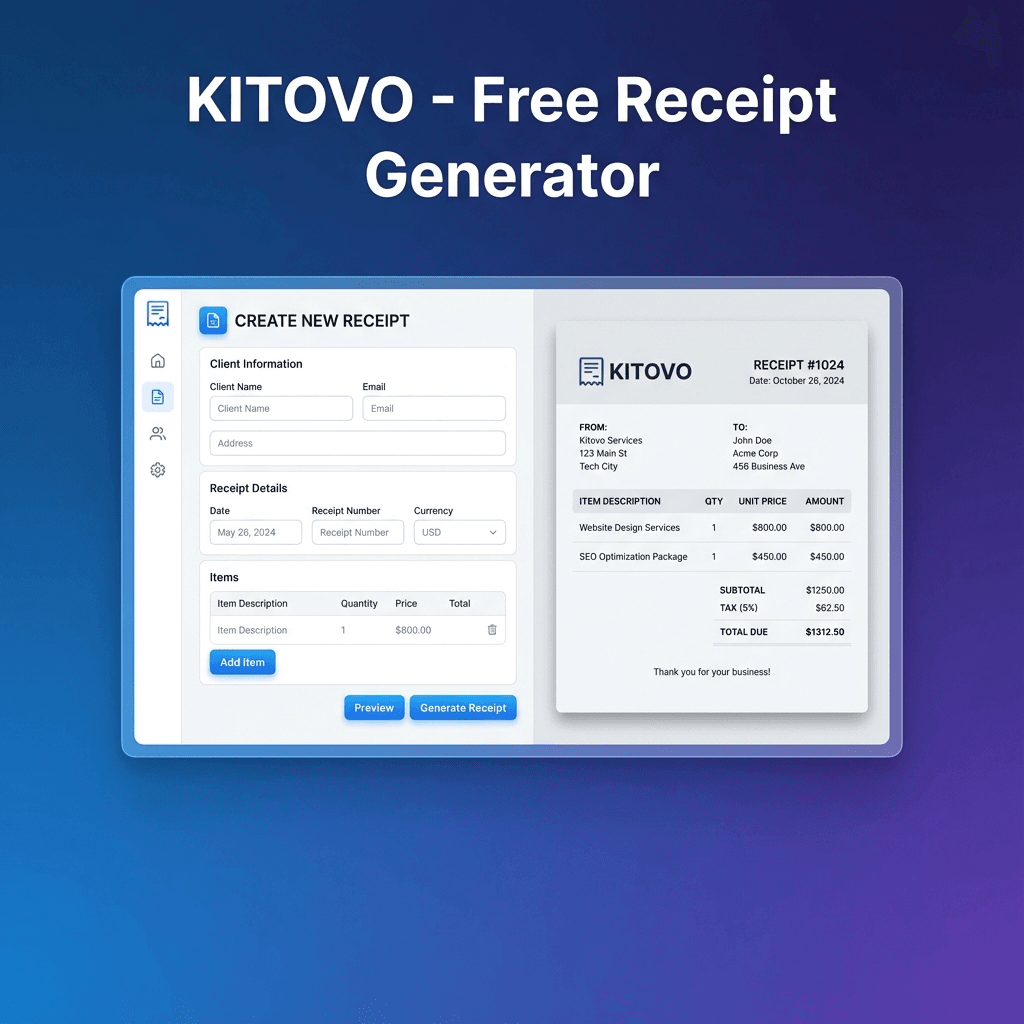
Receipt Examples & Samples for Every Situation
Browse real-world receipt examples and downloadable templates for various business scenarios.
Read article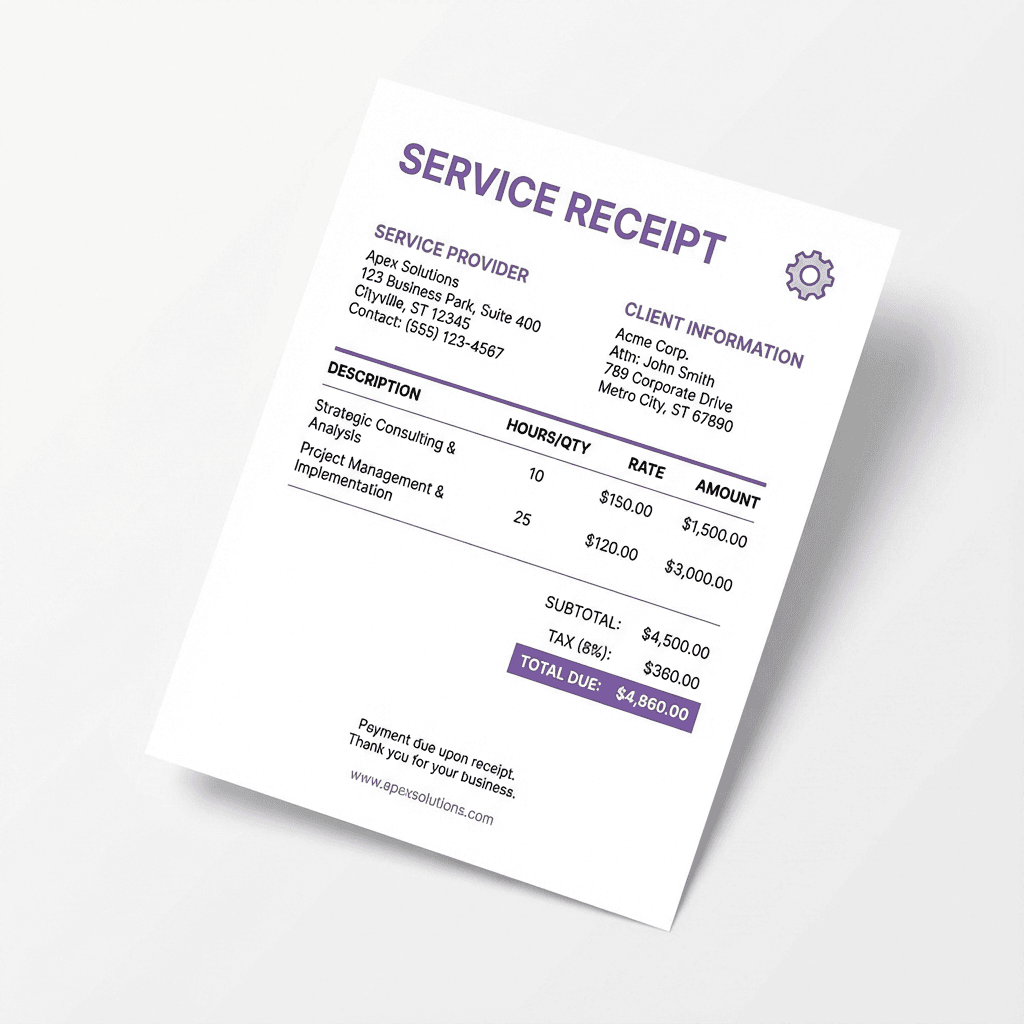
How to Write a Receipt for Services Rendered
Complete guide for freelancers and contractors on creating professional service receipts.
Read article
How to Get a Receipt for Cash Payment
Guide to obtaining and creating receipts for cash transactions. Protect yourself with proper documentation.
Read articleReady to Create Your Receipt?
Use our free receipt generator to create professional receipts in seconds. No signup required.